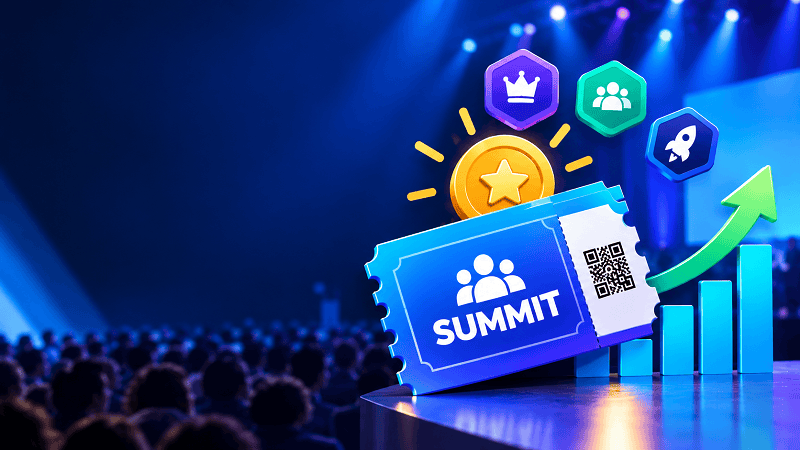
Selling tickets for a professional event requires more than simply announcing the event and adding a registration link. Audiences see many conferences, workshops, webinars, and industry events every day, so organizers need a clear strategy to attract attention and encourage registrations. A Gamification Summit can use modern digital marketing techniques along with the principles of gamification to create a more engaging promotional experience. Understanding the audience, communicating the benefits of attending, and making registration simple can all contribute to stronger results. A well-planned gamificationsummit ticket sales effective strategy can help organizers connect with potential attendees and build interest before the event even begins.
Understand Your Target Audience
The first step in creating an effective ticket-selling campaign is understanding the people who are most likely to attend the summit. A Gamification Summit may attract professionals working in marketing, technology, education, human resources, product development, customer engagement, and business strategy. Each group may have different reasons for attending. For example, marketers may be interested in customer engagement techniques, while HR professionals may want to learn how gamification can improve employee participation. By identifying these different interests, organizers can create more relevant promotional messages. Audience research can include professional roles, common challenges, interests, and preferred communication channels. When potential attendees see content that directly relates to their needs, they are more likely to become interested in the event.
Create a Strong Event Value Proposition
Potential attendees usually want to understand what they will receive in exchange for purchasing a ticket. Therefore, event marketing should focus on the value and experience offered rather than only providing basic information about the date and location. A strong value proposition can explain what attendees will learn, which experts they can meet, what networking opportunities are available, and how the knowledge gained at the event could be useful in their professional lives. A gamificationsummit ticket sales effective campaign should clearly communicate why the event is relevant and what makes it worth attending. This information should be visible on the event website, landing pages, social media posts, advertisements, and email campaigns so that visitors can quickly understand the purpose and benefits of the summit.
Use Early-Bird Ticket Promotions
Early-bird pricing can encourage people to register sooner rather than waiting until the event date gets closer. Organizers can create different ticket stages, such as early-bird, standard, and final-release tickets. Each stage can have a clear price and deadline so that potential attendees understand when the offer changes. Genuine deadlines can encourage faster decisions without relying on misleading claims. Early registration can also help organizers estimate attendance and prepare for venue requirements, catering, seating, networking activities, and other event needs. When combined with clear communication about the benefits of attending, early-bird promotions can become an important part of the overall ticket marketing strategy.
Build an Optimized Event Landing Page
The event landing page is one of the most important parts of the registration process because it is often where interested visitors decide whether to continue toward purchasing a ticket. The page should clearly display the event name, date, location or online format, speakers, agenda highlights, ticket information, benefits, frequently asked questions, and registration options. The registration button should be easy to find, and the checkout process should not request unnecessary information. A complicated registration process can cause visitors to leave before completing their purchase. The page should also work properly on mobile devices because many people discover events through smartphones. A simple, fast, and informative landing page can make the path from interest to registration much easier.
Promote the Event Through Social Media
Social media provides event organizers with an opportunity to reach professional audiences and generate awareness before the summit. Platforms such as LinkedIn, Facebook, Instagram, and X can be used depending on where the target audience spends time. Instead of repeatedly asking people to buy tickets, organizers can create different types of content that provide useful information and build curiosity. Speaker introductions, short educational posts, agenda previews, behind-the-scenes content, event announcements, and attendee experiences can all be used as promotional material. Short videos featuring speakers can also give potential attendees a better understanding of what they can expect. Sharing content consistently can keep the event visible while encouraging interested people to visit the registration page.
Use Email Marketing
Email marketing can be particularly useful for people who have already interacted with the event organizer or joined a mailing list. Instead of sending one promotional email, organizers can develop a series of messages that gradually introduces the summit and explains its benefits. The first email might announce the event, while later messages can introduce speakers, discuss important sessions, highlight networking opportunities, and remind subscribers about ticket deadlines. Personalizing emails according to professional interests can make the communication more relevant. For example, people interested in marketing can receive information about customer engagement sessions, while technology professionals can receive information about emerging gamification technologies. This type of targeted communication can support gamificationsummit ticket sales effective efforts by keeping potential attendees informed throughout the decision-making process.
Highlight Speakers and Industry Experts
Speakers can play an important role in attracting attendees to a professional summit. Experienced professionals, industry experts, researchers, and practitioners can provide valuable reasons for people to attend. Organizers should create dedicated speaker profiles that explain each speaker’s background and the subject they will discuss. Short interviews, introduction videos, and session previews can also help potential attendees understand what they will gain from the presentations. Speakers may also share the event with their own professional networks, which can provide additional exposure. Giving speakers simple promotional materials, such as social media graphics and event information, can make it easier for them to promote the summit to their audiences.
Introduce Referral and Group Ticket Programs
Word-of-mouth promotion can help an event reach audiences that may not discover it through advertising. Organizers can create referral programs that encourage existing attendees or professional contacts to recommend the summit to colleagues. Group ticket packages can also be useful for businesses that want several employees to attend the same event. When multiple employees attend, they can share ideas, discuss sessions, and bring useful knowledge back to their organization. Clear group pricing and simple registration procedures can make these offers easier for companies to understand. Referral and group programs can therefore become useful additions to a broader event marketing strategy.
Apply Gamification to the Marketing Campaign
Since the summit itself focuses on gamification, organizers can incorporate gamification concepts into the promotional campaign. For example, they could create social media challenges, quizzes, educational competitions, or digital reward systems that encourage people to interact with event content. Participants could receive recognition for sharing educational posts, answering questions, or inviting colleagues to learn more about the summit. A countdown campaign with different milestones could also create anticipation. However, the main purpose should be to make engagement more enjoyable rather than making the registration process unnecessarily complicated. When used thoughtfully, gamification can make the marketing campaign consistent with the theme of the event.
Use Testimonials and Social Proof
Potential attendees may want reassurance before spending money on a professional event. Testimonials from previous participants can help demonstrate what people have gained from attending. Useful testimonials should explain specific experiences, such as learning a practical strategy, meeting valuable professional contacts, or gaining new ideas. Organizers can also share accurate information about previous events, including attendance figures or participating organizations when those figures are available and verifiable. Testimonials should support the event’s claims rather than replace detailed information about what attendees can expect. Including authentic attendee experiences on the website and promotional materials can help potential customers better understand the event.
Work With Industry Partners
Partnerships can expand the reach of a Gamification Summit by connecting the event with established professional communities and relevant organizations. Technology companies, marketing agencies, educational institutions, professional associations, industry publications, and online communities may have audiences interested in gamification. Partners can promote the summit through newsletters, websites, social media, webinars, or other communication channels. In return, organizers can offer appropriate promotional or sponsorship opportunities. When selecting partners, relevance should be considered carefully. A smaller community with a highly relevant professional audience can provide useful exposure because its members may already have an interest in the subject of the summit.
Track Marketing Performance
A ticket marketing campaign should be measured regularly to understand which activities are generating interest and registrations. Organizers can track website traffic, registration conversion rates, email clicks, social media engagement, advertising performance, and ticket sales from different promotional channels. This information can show which campaigns are attracting visitors and which parts of the registration process may need improvement. For example, if an advertisement generates many website visits but very few registrations, organizers may need to review the landing page, messaging, pricing information, or registration process. Tracking performance allows marketers to make informed adjustments instead of relying only on assumptions.
Create a Community Before the Event
Marketing should continue after someone purchases a ticket. Registered attendees can receive useful updates, speaker announcements, agenda information, preparation materials, and networking opportunities before the event begins. Organizers can also create an online community where attendees can introduce themselves and discuss topics related to the summit. This can help create anticipation and encourage participants to become more involved. Pre-event communication can also provide opportunities for attendees to share the event with colleagues. Building a community before the summit can make the overall event experience more connected and engaging.
Conclusion
A successful event ticket campaign requires a combination of clear messaging, audience understanding, useful content, convenient registration, and consistent promotion. A Gamification Summit has a unique opportunity to use gamification principles not only in its sessions but also throughout its marketing campaign. Audience segmentation, early-bird offers, social media promotion, email marketing, speaker content, testimonials, partnerships, referral programs, and engaging promotional activities can all contribute to a well-rounded strategy. Ultimately, gamificationsummit ticket sales effective marketing is about creating a clear journey for potential attendees, from discovering the event to understanding its benefits and completing registration. By focusing on genuine value and making the experience easy to understand, organizers can build stronger engagement and create greater interest in their summit.