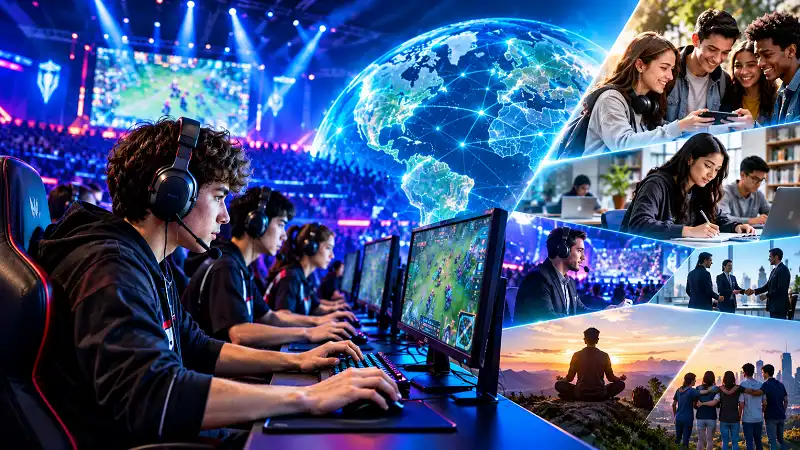
Esports, also known as electronic sports, has become an important part of modern entertainment and digital culture. What once began as friendly video game competitions has developed into a global industry featuring professional players, organized tournaments, sponsorships, and millions of online viewers. Today, esports attracts people from different countries, backgrounds, and age groups, creating new opportunities for entertainment, education, business, and social interaction.
The growing popularity of competitive gaming has also raised questions about its influence on society. Esports can help people develop teamwork, communication, and problem-solving skills, while also creating career opportunities and bringing communities together. However, excessive gaming, online harassment, and unhealthy habits can create challenges when players do not maintain balance.
Understanding how esports affect society hmcdgaming helps explain both the positive contributions of competitive gaming and the issues that individuals, families, and communities should consider. By examining its social, economic, educational, and cultural effects, we can better understand the role esports plays in today’s world.
1. The Growth of Esports in Modern Society
Esports has experienced significant growth because of faster internet connections, improved gaming technology, and the popularity of streaming platforms. Players can compete online without traveling to a physical location, while audiences can watch tournaments from almost anywhere in the world.
Professional competitions now feature games across several genres, including strategy, sports simulations, fighting games, and multiplayer battle arenas. These events attract dedicated fans who follow teams, discuss matches, and celebrate their favorite players.
Social media has also helped esports reach wider audiences. Short gameplay clips, tournament highlights, and live discussions make competitive gaming accessible to people who may never participate professionally.
This growth shows that esports is no longer simply a hobby for a small group of enthusiasts. It has become a recognizable part of entertainment culture, influencing how people spend their free time and interact with digital communities.
2. Esports Creates New Career Opportunities
One of the most significant effects of esports on society is the development of new career paths. Professional gaming is only one part of the industry. Many people also work as coaches, commentators, tournament organizers, journalists, video editors, designers, and marketing professionals.
Gaming organizations require people who understand competition, communication, technology, and audience engagement. Event production teams manage live broadcasts, while social media specialists help organizations connect with their followers.
Esports has also created opportunities for content creators who share gameplay videos, explain strategies, or report on competitive events. Some individuals earn income through sponsorships, advertising, subscriptions, and partnerships, although success and earnings vary considerably.
These opportunities can encourage young people to explore digital skills and creative interests. However, professional gaming is highly competitive, and stable income is not guaranteed. Developing transferable skills and maintaining an education or alternative career plan can help individuals prepare for long-term success.
3. Esports Strengthens Social Connections
Gaming is often a shared activity that allows people to communicate, cooperate, and build friendships. Online teams bring together players who may live in different cities or countries, giving them opportunities to connect through common interests.
Competitive games frequently require players to coordinate strategies, communicate clearly, and support teammates under pressure. These interactions can help participants practice cooperation and learn how to work toward shared goals.
Esports communities also create spaces where fans discuss matches, exchange advice, and celebrate achievements. Local gaming clubs and organized competitions can provide opportunities for people to meet in person and develop lasting friendships.
Nevertheless, not every online interaction is positive. Some gaming communities experience bullying, offensive language, or exclusion. Creating respectful environments and encouraging responsible communication are important steps toward making esports communities more welcoming.
4. The Influence of Esports on Education
Esports can support learning when it is incorporated thoughtfully into educational activities. Competitive gaming often involves strategic thinking, quick decision-making, pattern recognition, and adapting to changing situations. These activities may encourage players to analyze information and evaluate different approaches.
Some schools and colleges organize esports clubs or competitions that combine gaming with teamwork and leadership development. Students may also learn practical skills through activities such as tournament management, broadcasting, graphic design, and computer technology.
For example, organizing a school gaming event can involve creating schedules, coordinating participants, promoting the competition, and managing technical equipment. These responsibilities provide opportunities to practice planning and communication.
However, esports should complement rather than replace academic responsibilities. Excessive gaming can interfere with homework, sleep, and classroom participation. Clear schedules and reasonable limits help students enjoy competitive gaming while continuing to make progress in their education.
5. Esports Contributes to Economic Growth
The esports industry supports a growing network of businesses and services. Revenue can come from sponsorships, advertising, merchandise, media rights, event tickets, streaming, and gaming-related products.
Large tournaments may create temporary or ongoing work for event organizers, technical staff, venue operators, hospitality businesses, and media professionals. Gaming organizations also collaborate with technology companies and brands seeking to reach esports audiences.
Smaller communities can benefit by hosting local tournaments, gaming events, and related activities. These events may attract visitors and create opportunities for local businesses, depending on their size and organization.
The industry’s economic benefits are not distributed equally. Popular teams and major events may attract substantial investment, while smaller organizations can struggle with expenses and uncertain revenue. Sustainable growth therefore depends on responsible business practices, transparent agreements, and realistic financial planning.
Overall, esports demonstrates how digital entertainment can support economic activity beyond the games themselves.
6. Esports Influences Youth Culture and Entertainment
Young audiences have played an important role in the development of esports. Many follow professional players, watch livestreams, discuss tournament results, and participate in online gaming communities.
Esports has also changed the way people experience competition. Instead of watching only traditional sports, audiences can follow digital teams and individual players whose skills are developed through practice, strategy, and coordination.
Professional gamers sometimes become influential public figures. Their videos, interviews, and online personalities can shape gaming trends, encourage participation, and introduce audiences to new titles.
However, this influence also creates responsibilities. Young viewers may compare themselves with professional players without understanding the time, training, resources, and support involved in competitive success. Some may also encounter unrealistic claims about earning money through gaming.
Parents, educators, creators, and esports organizations can help by promoting realistic expectations, respectful behavior, and a healthy balance between gaming and other activities.
7. The Mental and Physical Health Considerations of Esports
Esports can provide enjoyment, relaxation, and a sense of achievement. Players may feel motivated when they improve their skills, contribute to a team, or reach a personal goal. Positive gaming communities can also provide companionship and emotional support.
However, spending too much time gaming without sufficient breaks can create difficulties. Long sessions may contribute to tiredness, reduced physical activity, eye discomfort, and disrupted sleep routines. Competitive pressure can also become stressful, especially when players feel that they must constantly perform well.
Healthy gaming habits can reduce these risks. Players should take regular breaks, stay physically active, maintain a consistent sleep schedule, and make time for school, family, and offline interests.
Professional players and teams can benefit from realistic training schedules, appropriate coaching, and attention to mental well-being. Winning should not be the only measure of success.
A balanced approach allows people to enjoy esports while protecting their overall well-being.
8. Online Harassment and Toxic Gaming Behavior
Although esports can bring people together, online gaming environments sometimes expose players to harassment, discrimination, cheating, and aggressive communication. These behaviors can discourage participation and make competitive spaces uncomfortable for newcomers.
Toxic behavior may occur when players become frustrated by losses, blame teammates, or believe that anonymity removes personal responsibility. Competitive pressure can make these problems more noticeable during important matches.
Gaming platforms and tournament organizers can respond by enforcing clear conduct rules, providing reporting systems, and applying fair penalties for repeated violations. Team leaders and professional players can also set positive examples by communicating respectfully.
Individual players have a role to play as well. Avoiding insults, accepting constructive criticism, and treating opponents fairly can improve the experience for everyone.
Creating safer esports communities requires cooperation between players, developers, parents, schools, and organizers. Competition is more valuable when participants can demonstrate skill without compromising the dignity of others.
9. Esports Promotes Global Cultural Exchange
Esports connects people across national borders through shared interests and international competitions. Players may compete against opponents from different countries, while fans discover new languages, traditions, and perspectives through gaming communities.
International tournaments provide opportunities to observe different playing styles and strategies. Fans can also develop an interest in other regions by following their teams, learning about their competitive scenes, and participating in cross-cultural discussions.
This international environment can encourage curiosity and mutual understanding. A shared interest in a game can create common ground among people who might otherwise have little opportunity to interact.
At the same time, cultural differences and language barriers may lead to misunderstandings. Respectful communication and inclusive community standards help participants benefit from these connections.
As esports continues to grow internationally, it has the potential to strengthen digital communities and demonstrate how entertainment can connect people across geographical boundaries.
10. The Importance of Responsible Gaming
Responsible gaming is essential for ensuring that esports contributes positively to society. Players need to understand that competitive success requires practice, patience, and realistic expectations. Gaming should fit into a balanced lifestyle rather than take priority over every other responsibility.
Families can encourage healthy habits by discussing screen time openly, supporting offline hobbies, and showing interest in the games their children enjoy. Schools can teach digital citizenship and explain how to respond to online harassment.
Esports organizations can promote fair competition, transparent rules, player welfare, and appropriate safeguarding practices. Streaming platforms can support healthier communities through moderation tools and clear reporting procedures.
Players can also take practical steps, including setting reasonable gaming hours, taking breaks, maintaining physical activity, and protecting personal information online.
Responsible participation does not mean avoiding esports altogether. It means enjoying competitive gaming in ways that support personal development, social connection, and overall well-being.
11. How Esports May Shape the Future
The future of esports will likely be influenced by technological improvements, changing entertainment habits, and new ways to connect with audiences. Better broadcasting tools, more accessible gaming equipment, and improved online infrastructure may help more people participate in competitive gaming.
Educational institutions may continue exploring esports clubs and related learning opportunities. Businesses may develop new services around tournament production, digital media, coaching, and community management.
At the same time, the industry will need to address challenges involving fair competition, online safety, financial sustainability, and player well-being. Growth alone does not guarantee that every development will benefit society.
A successful future for esports will depend on balancing innovation with responsibility. When organizations prioritize fairness and communities encourage respectful participation, competitive gaming can remain an enjoyable and constructive part of digital culture.
Conclusion
Esports has become a meaningful part of modern society by influencing entertainment, employment, education, communication, and international communities. It offers opportunities for people to develop skills, build friendships, explore creative careers, and participate in a rapidly changing digital industry.
However, these benefits come with challenges, including excessive screen time, online harassment, competitive stress, and uncertain career prospects. Recognizing these issues is necessary to encourage healthier and more inclusive gaming environments.
Understanding how esports affect society hmcdgaming requires looking at both its advantages and its limitations. Esports is not automatically beneficial or harmful; its effects depend on how people participate, how organizations operate, and how communities respond to its challenges.
With responsible gaming habits, supportive communities, and fair industry practices, esports can continue to contribute to entertainment, innovation, and social connection while maintaining a healthy place in everyday life.