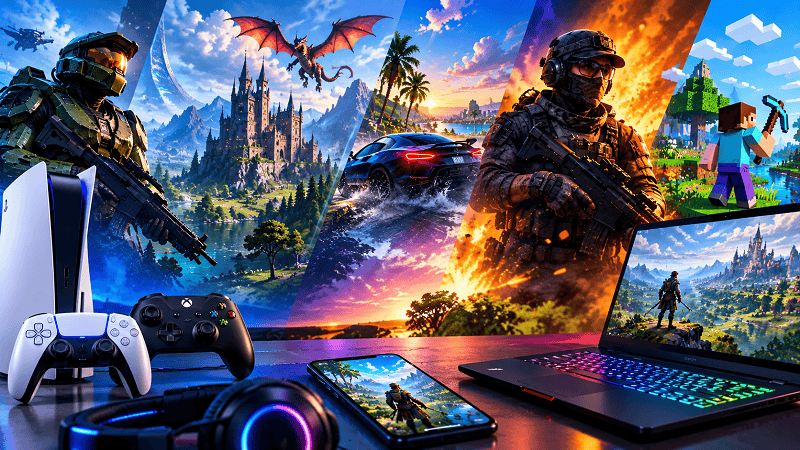
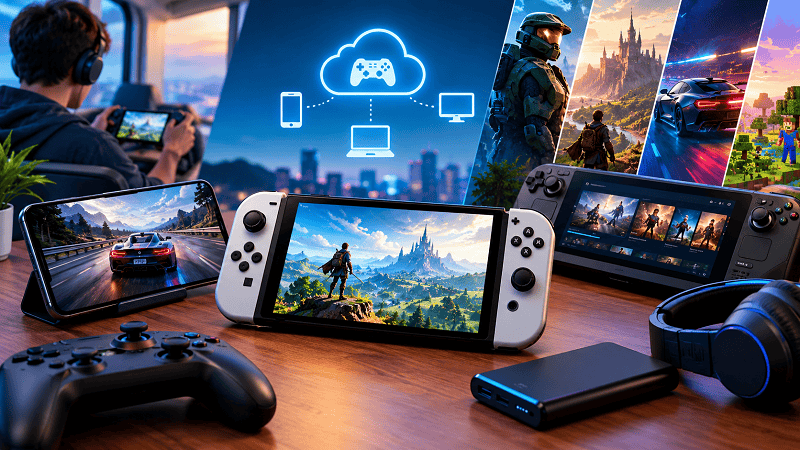
The gaming industry continues to evolve as technology introduces new ways for people to play, connect, and enjoy interactive entertainment. From traditional gaming consoles to powerful handheld devices and mobile gaming platforms, players now have more options than ever before. Portable gaming has become an important part of this transformation because it allows users to enjoy their favorite games without being restricted to a television, desktop computer, or fixed gaming setup. Tportstick gaming trends from theportablegamer is a topic that connects portable gaming with emerging technologies, changing player preferences, and new developments in the gaming world. Understanding these trends can help gaming enthusiasts discover new devices, explore different gaming experiences, and stay informed about changes in the industry.
The Growing Popularity of Portable Gaming
Portable gaming has grown because it offers convenience and flexibility. Players can enjoy games at home, while traveling, or during their free time without needing a permanent gaming station. This flexibility makes handheld gaming attractive to students, casual players, dedicated enthusiasts, and people with busy schedules. Modern portable devices also offer experiences that were once associated mainly with larger consoles. Improved processors, high-quality displays, responsive controls, and better battery technology have expanded what handheld systems can accomplish.
Another factor behind this growth is the variety of available gaming options. Players can choose from puzzle games, role-playing adventures, racing titles, strategy games, and competitive multiplayer experiences. The increasing availability of digital game stores has also made it easier to discover and download new titles. Instead of carrying multiple physical game cartridges or discs, players can access numerous games through compatible digital platforms. As a result, portable gaming has become more than a secondary entertainment option. For many users, it is an important part of their everyday gaming routine.
How Modern Handheld Devices Are Changing Gaming
Handheld gaming hardware has advanced considerably over the years. Earlier portable systems often focused on relatively simple graphics and straightforward gameplay. Modern devices, however, can support sophisticated environments, detailed character models, and complex game mechanics. Powerful processors help devices handle demanding games, while high-resolution displays make environments and animations more enjoyable. Improved buttons, joysticks, touchscreens, and motion controls provide different ways to interact with games. Wi-Fi and Bluetooth connectivity can also support online gaming, multiplayer sessions, and compatible accessories.
These features give players greater flexibility when selecting a device. Some prefer dedicated handheld consoles, while others use gaming smartphones or portable computers that support compatible games. When exploring tportstick gaming trends from theportablegamer, hardware development is an important area to understand because device capabilities influence which games users can play and how comfortably they can enjoy them. Before choosing a device, players should compare its performance, display quality, controls, storage capacity, and compatibility with their preferred games.
Mobile Gaming Continues to Expand
Mobile gaming remains an accessible entry point for millions of players. Smartphones are widely available, and many games can be downloaded without purchasing separate gaming hardware. Mobile games cover a broad range of categories, including casual puzzles, sports simulations, multiplayer battle games, racing adventures, and strategy experiences. Some titles are designed for quick sessions, while others offer long-term progression and extensive online communities. Developers are also introducing improved graphics, smoother animations, and more sophisticated gameplay systems, allowing mobile games to appeal to casual users and dedicated gaming enthusiasts.
Touchscreen controls remain convenient, but external controllers are another option for supported games. Players who prefer physical buttons can connect compatible accessories to create a more traditional gaming experience. However, mobile gaming also has limitations. Battery consumption, device temperature, storage capacity, and touchscreen accuracy can affect performance. In addition, some games include advertisements or optional purchases that players should evaluate carefully. The continued development of mobile hardware and software will influence how people discover and experience portable games.
Cloud Gaming and Game Streaming Technology
Cloud gaming introduces another way to play games on portable devices. Instead of running every part of a demanding game locally, a compatible service processes the game remotely and streams the resulting video to the player’s device. This approach can reduce the need for powerful local hardware, although the experience depends on the service, supported games, subscription requirements, and network quality. Players may be able to access supported games across different compatible devices without downloading large game files, making cloud gaming an interesting option for people who want flexibility.
Despite these advantages, cloud gaming has limitations. A reliable internet connection is essential, and network delays can affect fast-paced competitive games. Data consumption may also be significant, particularly when streaming high-quality video over mobile networks. Some services require paid subscriptions, and their game libraries can change over time. As internet infrastructure and streaming technology develop, cloud gaming may become a more practical option for people who want to play demanding games while away from their main gaming setup.
Artificial Intelligence in Portable Gaming
Artificial intelligence is becoming increasingly relevant to game development. Developers can use AI-related technologies to support character behavior, procedural content generation, testing, accessibility features, and personalized experiences. For example, intelligent non-player characters can respond to player actions in more varied ways, while procedural systems can help generate different environments, challenges, and missions. Development teams can also use automated tools to identify certain bugs and test gameplay systems, potentially improving the development process.
In portable gaming, AI-powered software may also help manage performance and energy consumption. Depending on the device, system software can adjust performance settings to balance smooth gameplay, heat, and battery life. However, these capabilities differ across games and devices, and not every product marketed as AI-powered provides meaningful improvements. The most useful applications are those that solve practical problems, improve accessibility, or create more engaging gameplay without adding unnecessary complexity.
Multiplayer Gaming and Online Communities
Gaming has become an increasingly social activity. Online multiplayer features allow friends and strangers to play together even when they are in different locations. Portable devices make these experiences easier to access because players do not always need to sit in front of a television or desktop computer. Depending on the game and platform, users can participate in cooperative missions, competitive matches, social activities, and online events. Cross-platform play can expand these opportunities by allowing users on supported devices to play together, although availability depends on individual games and platform policies.
Gaming communities also help players exchange advice, discover new releases, share gameplay clips, and discuss updates. Forums, streaming platforms, and social networks provide spaces for these conversations. Responsible online behavior remains important, so players should protect their accounts, avoid sharing personal information with strangers, and use privacy settings where available. Social features can make portable gaming more engaging, particularly when games encourage teamwork, creativity, and friendly competition.
The Importance of Battery Life and Device Efficiency
Battery life is one of the most important considerations for portable gaming. Unlike stationary systems, handheld devices must operate within the limits of a rechargeable battery. Graphically demanding games can consume more power because they place greater demands on processors, displays, and cooling systems. High screen brightness, wireless connectivity, and background applications may also influence battery consumption. Manufacturers are addressing these challenges through more efficient processors, improved power management, and larger battery capacities in some devices.
Players can also make practical adjustments to extend gaming sessions. Lowering screen brightness, closing unnecessary applications, using appropriate performance settings, and keeping software updated may help reduce energy consumption. Battery capacity alone does not determine how long a device will last because actual results depend on the game, display settings, hardware design, and usage conditions. For people who frequently travel, battery performance can be just as important as graphics quality. A balanced device should offer an experience that suits the player’s preferred games and typical gaming sessions.
Gaming Accessories That Improve the Portable Experience
Accessories can make portable gaming more comfortable and convenient. Although they are not essential for everyone, the right additions can address specific needs. External controllers can improve control in compatible games, while protective cases help protect devices from everyday scratches and minor impacts. Screen protectors provide an additional layer of protection, and headphones allow players to enjoy game audio without disturbing nearby people. Charging accessories and portable stands can also be useful for people who regularly travel or play in different locations.
Compatibility should be checked before purchasing an accessory. A controller designed for one system may not support another, and charging accessories must meet the device’s specifications. Comfort is another important consideration because lightweight accessories that are easy to carry can be more practical than bulky equipment. Choosing accessories based on actual needs can improve the gaming experience without creating unnecessary expenses.
Digital Game Libraries and Subscription Services
Digital distribution has changed how players discover, purchase, and organize games. Many portable gaming platforms offer online stores where users can browse new releases, download games, and access updates. Some services also offer subscriptions that provide access to selected game catalogs for a recurring fee. These subscriptions can be convenient for people who want to explore different titles, but their value depends on the available selection and the user’s playing habits.
Before purchasing a game or subscription, players should consider game availability, total cost, offline access, account requirements, and subscription conditions. Games included in a subscription catalog may be added or removed over time, while certain titles may require an internet connection or additional purchases. Understanding these details helps players make informed decisions and avoid paying for services they rarely use. A little research before subscribing can also help users identify platforms that support their preferred games and devices.
What Players Can Expect From Future Portable Gaming
Portable gaming will continue to be influenced by improvements in hardware, software, connectivity, and game design. Although the exact direction of the industry is uncertain, several areas are receiving ongoing attention. More efficient processors may help devices deliver improved performance while managing energy consumption. Display technology may continue to develop, offering different combinations of resolution, refresh rates, and power efficiency. Cloud services could expand access to supported games, provided network conditions and service availability meet players’ needs.
Developers may also experiment with new control methods, accessibility options, and AI-assisted features. Another potential area of development is the integration of portable gaming with broader entertainment ecosystems. Some devices already combine gaming with media playback, communication, and other applications. These developments will not affect every device or player equally because price, regional availability, software support, and technical limitations will continue to influence which technologies become widely adopted. Readers following tportstick gaming trends from theportablegamer can focus on confirmed product announcements, software updates, and hands-on testing rather than relying entirely on rumors about future releases.
How to Choose the Right Portable Gaming Device
Selecting a portable gaming device requires understanding personal preferences and practical requirements. The most suitable option depends on the games a person wants to play, their budget, and how they plan to use the device. Someone who mainly plays casual mobile games may already have a suitable smartphone, while someone interested in demanding PC games may want to explore compatible handheld gaming computers. Identifying preferred game genres is a useful first step because not every device supports the same titles or gaming platforms.
Next, compare hardware specifications and real-world performance. Processor capabilities, memory, display quality, controls, storage, and cooling can all affect the experience. Battery life deserves special attention for frequent travelers, while users who mainly play near a power outlet may have different priorities. It is also important to examine the available game library because impressive hardware is less useful if it does not support the games a person wants to play. Finally, consider long-term costs, including game purchases, subscriptions, accessories, repairs, and storage upgrades. Comparing these factors helps players choose a device that fits their needs rather than buying solely on the basis of marketing claims.
Conclusion: Understanding the Evolution of Portable Gaming
Portable gaming continues to develop as manufacturers, software developers, and gaming communities explore new ways to make interactive entertainment more accessible. Improvements in handheld hardware, mobile games, cloud streaming, artificial intelligence, and online connectivity are creating more choices for players. At the same time, practical factors such as battery life, device compatibility, internet access, affordability, and game availability remain important. Understanding these details allows users to evaluate new products and technologies more carefully.
Following tportstick gaming trends from theportablegamer can be a useful starting point for exploring developments in portable entertainment, provided readers verify important announcements and product information through reliable sources. Whether someone enjoys casual mobile games, competitive multiplayer matches, or demanding adventures on a handheld system, the expanding range of available technologies offers different ways to enjoy gaming. As the industry evolves, informed decisions and realistic expectations will help players make the most of the devices, games, and services available to them.