A beautiful and comfortable home is more than just a place to live. It is a personal space where families spend time together, relax after busy days, and create unforgettable memories. Keeping a home clean, organized, and attractive does not always require expensive furniture, professional designers, or major renovations. Small improvements and simple daily habits can make a significant difference in the appearance and functionality of any living space.
With the right ideas, homeowners can transform ordinary rooms into welcoming environments while saving time, money, and effort. From organizing everyday belongings to improving interior decoration, maintaining a clean environment, and making better use of available space, there are many practical ways to improve a home.
Following home tips and tricks decadgarden can help readers discover simple approaches to creating a more enjoyable living environment. Whether someone lives in a small apartment or a large family house, thoughtful planning and creative solutions can make every corner more useful and appealing.
1. Keep Your Home Clean and Organized
A clean and organized home creates a positive atmosphere and makes everyday activities easier. When belongings are arranged properly, it becomes simpler to find necessary items, maintain cleanliness, and enjoy comfortable surroundings.
Start by developing a regular cleaning routine. Divide household responsibilities into manageable tasks instead of trying to clean everything at once. For example, make beds every morning, clean kitchen surfaces after preparing meals, and spend a few minutes organizing frequently used areas.
Storage baskets, shelves, cabinets, and labeled containers can help keep belongings in their proper places. Avoid allowing unnecessary items to accumulate because clutter can make rooms appear smaller and less comfortable.
Another useful approach is to organize one room at a time. Begin with the living room, move toward the kitchen, and then focus on bedrooms and bathrooms. Consistency is more important than completing everything in a single day.
2. Improve Your Home Decoration with Simple Ideas
Home decoration does not have to involve expensive purchases. Small decorative changes can refresh an interior and create a more welcoming atmosphere.
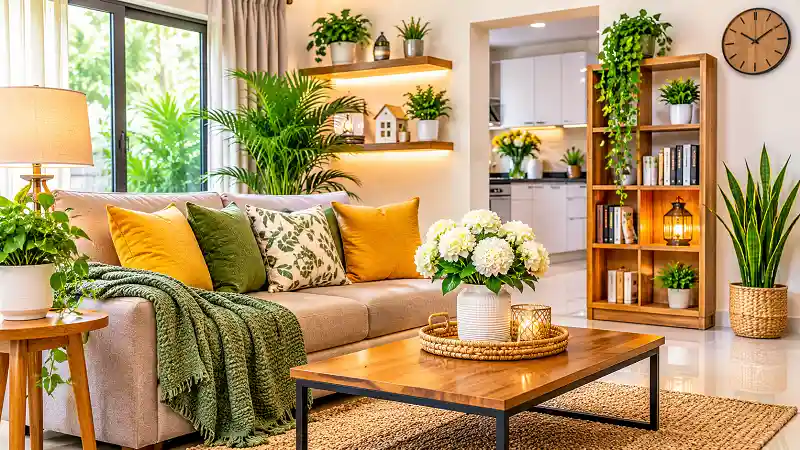
Start by choosing colors that complement your furniture, flooring, and existing decorations. Neutral shades such as white, beige, and light gray can create a calm appearance, while colorful cushions, curtains, and decorative accessories can introduce personality.
Wall decorations are another effective way to improve a room. Family photographs, artwork, mirrors, and simple wall shelves can make empty spaces more attractive. However, avoid overcrowding walls with too many decorative items.
Lighting also plays an important role in interior design. Natural sunlight can make rooms feel brighter and more spacious. During the evening, warm lighting can create a relaxing atmosphere.
These small changes demonstrate how home tips and tricks decadgarden can inspire homeowners to improve their surroundings without spending beyond their budgets.
3. Make Better Use of Small Spaces
Small homes and apartments often require creative organization because available space is limited. However, limited square footage does not mean a home cannot look attractive, comfortable, and functional.
Choose furniture that serves multiple purposes. For example, storage beds, folding tables, and furniture with built-in compartments can provide additional storage without occupying unnecessary space.
Vertical storage is another practical solution. Wall-mounted shelves can hold books, plants, decorative objects, and everyday essentials. Using the available wall space helps keep floors clear and makes rooms feel more organized.
Mirrors can also improve the appearance of smaller rooms by reflecting natural light and creating a sense of openness.
Avoid placing too much furniture in one area. Keep walkways clear and arrange essential items according to how frequently they are used. A thoughtful layout can make even a compact room feel spacious and comfortable.
4. Create a Functional and Beautiful Kitchen
The kitchen is one of the busiest areas of any home. It is where families prepare meals, organize groceries, and sometimes spend time together. Therefore, keeping this space clean and functional is essential.
Start by arranging kitchen utensils, cooking equipment, and food supplies according to their purpose. Keep frequently used items within easy reach and store less frequently used appliances in cabinets.
Use transparent containers to organize dry ingredients such as rice, flour, pasta, and cereals. Adding labels can make it easier to identify ingredients and maintain an orderly pantry.
Clean countertops regularly and avoid storing unnecessary objects on them. A clear working surface makes food preparation more convenient.
You can also introduce small decorative touches, such as attractive kitchen towels, indoor herbs, or simple storage accessories. These additions can make the kitchen feel more inviting without affecting its functionality.
5. Add Indoor Plants for a Fresh Atmosphere
Indoor plants are a simple way to introduce natural beauty into living spaces. Their green leaves can add color, improve visual interest, and create a peaceful environment.
Choose plants according to the lighting conditions and available space in your home. Some varieties grow well in bright indirect sunlight, while others can tolerate lower-light environments.
Place small plants on shelves, tables, or windowsills. Larger plants can be positioned in empty corners to create attractive focal points.
Remember that different plants have different watering and care requirements. Check the soil before watering and make sure containers have suitable drainage.
If you have pets or young children, research plant safety before bringing new varieties indoors. Selecting suitable plants helps create an attractive environment while keeping household members safe.
6. Develop Smart Home Maintenance Habits
Routine home maintenance helps identify minor issues early and prevents them from turning into costly repairs. Taking care of household equipment, furniture, plumbing, and electrical systems helps maintain a comfortable living environment.
Inspect taps, pipes, doors, windows, and appliances periodically. If you notice unusual leaks, damaged wiring, or other potentially dangerous problems, contact a qualified professional rather than attempting complicated repairs yourself.
Clean air-conditioning filters according to the manufacturer’s instructions and check that ventilation areas remain unobstructed.
Pay attention to walls and ceilings as well. Early signs of moisture or peeling paint should be investigated so that underlying problems can be addressed.
Creating a simple maintenance calendar can help homeowners remember important responsibilities. Instead of waiting until something stops working, regular inspections make household management easier.
7. Save Money with Budget-Friendly Home Improvements
Improving a home does not necessarily require a large budget. Many attractive changes can be achieved through careful planning, creativity, and the effective use of existing belongings.
Before purchasing new furniture or decorations, consider whether existing items can be rearranged or refreshed. Moving a sofa, changing cushion covers, or reorganizing shelves can give a room a different appearance.
Compare prices before purchasing household products and prioritize items that provide practical value. Avoid buying unnecessary decorations simply because they are fashionable.
Energy-efficient lighting can also help reduce electricity consumption over time. Remember to switch off lights and appliances when they are not needed, and use natural daylight whenever possible.
Another useful habit is to prepare a monthly home improvement budget. Decide which improvements are most important and complete them gradually.
Smart spending allows homeowners to maintain attractive surroundings without putting unnecessary pressure on their finances.
8. Make Your Bedroom More Comfortable
The bedroom should provide a peaceful environment where people can rest and recharge. Its arrangement, lighting, cleanliness, and overall atmosphere can influence everyday comfort.
Begin by keeping the bed properly arranged and changing bedsheets regularly. Remove unnecessary objects from bedside tables and keep personal belongings organized.
Choose comfortable bedding and curtains that complement the room’s decoration. Soft lighting can create a relaxing atmosphere, especially during the evening.
Storage boxes, wardrobes, and drawer organizers can help prevent clothes and accessories from creating unnecessary clutter.
It is also helpful to keep electronic distractions away from the sleeping area when possible. A simple and organized bedroom can make daily routines more pleasant and provide a comfortable place to relax.
9. Organize Your Bathroom for Better Convenience
Bathrooms require regular attention because cleanliness and organization are especially important in these spaces.
Keep frequently used products arranged in designated areas. Small baskets, bathroom shelves, and storage organizers can help manage toiletries, towels, and cleaning supplies.
Clean sinks, mirrors, shower areas, and frequently touched surfaces regularly. Make sure the bathroom has adequate ventilation to reduce excess moisture.
Check that towels are dried properly between uses and replace them when necessary. Keep floors dry and address plumbing leaks promptly.
Avoid overcrowding countertops with unnecessary products. A simple arrangement makes the bathroom easier to clean and more comfortable to use.
10. Improve Family Living with Better Home Routines
A comfortable home depends not only on decoration and furniture but also on the habits of the people living in it. Establishing practical household routines can make everyday responsibilities easier for everyone.
Encourage family members to return belongings to their proper places after use. Assign age-appropriate household responsibilities and make sure everyone understands their tasks.
Planning meals, shopping lists, cleaning schedules, and family activities in advance can reduce confusion during busy days.
Creating shared spaces for relaxation and family activities is equally important. A comfortable living room, dining area, or outdoor sitting space can encourage family members to spend meaningful time together.
Good communication also helps household responsibilities feel more manageable. When everyone contributes, maintaining a clean and welcoming home becomes a shared effort rather than one person’s responsibility.
11. Use Outdoor Spaces Creatively
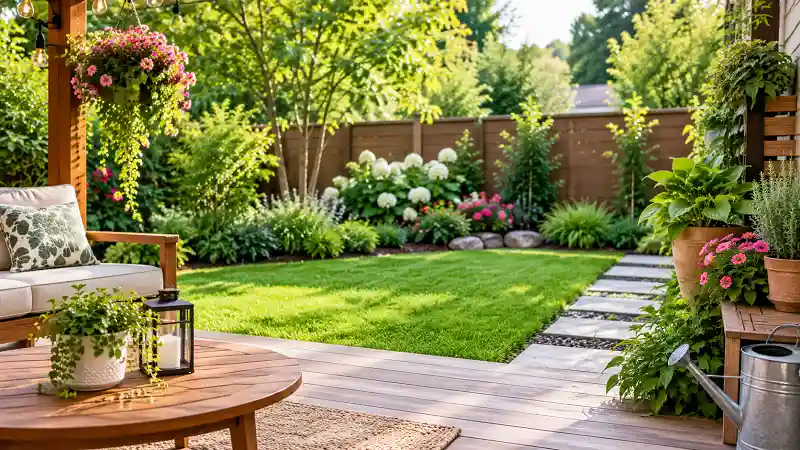
Outdoor areas can provide additional opportunities to improve the appearance and usefulness of a home. Even a small balcony, patio, or garden can become an attractive place to relax.
Start by cleaning the available area and removing unnecessary objects. Add suitable outdoor furniture, decorative pots, and plants to create a pleasant environment.
If space allows, consider creating a small seating corner where family members can enjoy fresh air. Comfortable chairs and simple lighting can make the area more inviting.
For larger gardens, organize plants according to their sunlight and watering requirements. Keep pathways clear and maintain outdoor furniture regularly.
A well-maintained outdoor space can extend the usable living area of a home and create a connection with nature.
12. Build Sustainable and Eco-Friendly Home Habits
An environmentally responsible home can benefit both the household and the surrounding environment. Small lifestyle changes can reduce waste and encourage more efficient resource use.
Start by switching off unused lights, reducing unnecessary water consumption, and choosing energy-efficient appliances when replacements are needed.
Reusable shopping bags, refillable containers, and durable household products can help reduce disposable waste. Separate recyclable materials where local recycling facilities are available.
Consider repairing suitable household items instead of immediately replacing them. Reusing furniture and donating unwanted belongings can also reduce waste.
Natural lighting and ventilation can improve everyday comfort while reducing dependence on artificial lighting and mechanical cooling when conditions allow.
These habits demonstrate that practical home improvement can support both household convenience and environmental responsibility.
Conclusion
Creating a beautiful, organized, and comfortable home is an ongoing process that depends on thoughtful decisions and consistent habits. From maintaining clean rooms and improving kitchen organization to decorating bedrooms, caring for indoor plants, and using small spaces effectively, every improvement can contribute to a better living environment.
Homeowners do not need expensive renovations to make meaningful changes. Simple organization techniques, budget-friendly decorations, regular maintenance, and sustainable household routines can produce noticeable results over time.
By exploring home tips and tricks decadgarden, readers can find practical inspiration for making their homes more attractive, functional, and welcoming. The most successful home improvements are those that match the family’s needs, available space, and budget.
Ultimately, a well-maintained home is not defined by its size or the price of its furniture. It is defined by the comfort, care, organization, and happiness that people experience within it.