A well-designed yard can make a home feel more welcoming, comfortable, and connected to nature. Whether you have a small garden, a spacious backyard, or a simple outdoor area, thoughtful planning can transform the space into something enjoyable and practical. Good landscaping does not always require expensive materials or complicated designs. With the right ideas, you can improve your yard gradually while keeping maintenance manageable.
This guide explores decadgarden yard tips by decoratoradvice, covering everything from planning and plant selection to outdoor seating, lighting, maintenance, and decorative details.
Understanding Your Yard Before You Begin
Before making changes, take some time to understand the space you already have. Every yard has different conditions, including sunlight, soil quality, drainage, available space, and climate. These factors should influence your design decisions.
Observe which areas receive full sunlight and which remain shaded during the day. Notice where rainwater collects and whether certain sections become particularly dry. Understanding these details can prevent problems later.
It is also useful to decide what you want your yard to accomplish. Some people want a peaceful garden for relaxation, while others prefer an entertaining area, a children’s outdoor space, or a low-maintenance landscape.
According to the principles behind decadgarden yard tips by decoratoradvice, successful outdoor design starts with understanding the existing environment rather than immediately adding decorations.
Create a Simple Yard Design Plan
A basic plan can make your landscaping project much easier. You do not need professional software or complicated drawings. A simple sketch showing the house, pathways, planting areas, seating spaces, and other important features can be enough.
Think about how people will move through the yard. Pathways should connect important areas naturally. Avoid creating unnecessary obstacles or placing large decorative items where they make the space difficult to use.
Divide the yard into functional zones. For example, you might have:
- A planting area
- A seating or relaxation zone
- A pathway
- A small decorative section
- An open area for activities
Keeping the layout organized creates a stronger visual structure and makes future improvements easier.
Choose Plants That Suit Your Environment
Plants are one of the most important parts of any garden. However, choosing plants simply because they look attractive can lead to maintenance problems.
Select plants according to your local growing conditions. Consider sunlight, soil, rainfall, temperature, and the amount of care you can realistically provide.
A balanced garden can include different types of plants. Trees and shrubs can provide structure, flowering plants can introduce seasonal interest, while ground covers can fill empty spaces.
Try to combine plants with different heights. Taller plants can sit toward the back, medium-sized plants can occupy the middle, and shorter plants can frame pathways or borders.
This layered approach makes the garden appear more organized and visually interesting.
Use Garden Paths to Improve the Layout
A pathway can be both practical and decorative. It helps guide movement while creating visual connections between different parts of the yard.
Common pathway materials include stone, brick, gravel, concrete, and wood. The best choice depends on the overall style of the property and how much maintenance you want.
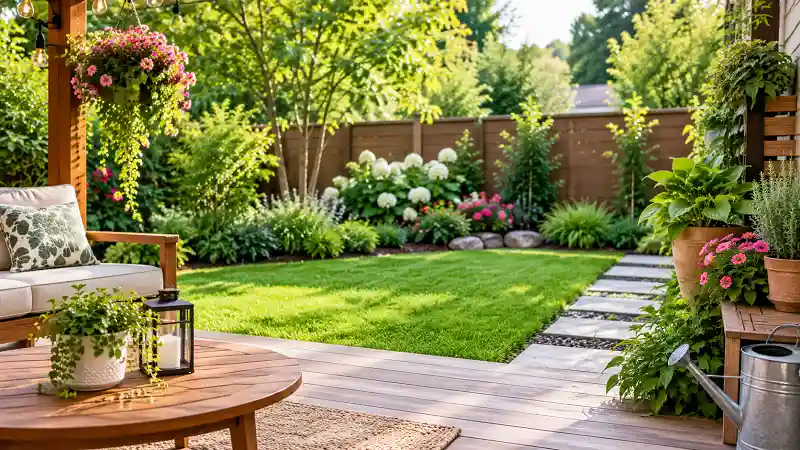
Curved paths can create a relaxed, natural appearance, while straight paths often produce a more formal look. Whichever design you choose, make sure the pathway is comfortable and safe to walk on.
You can also use plants along the edges to soften hard surfaces. Small shrubs, flowering plants, or ground covers can make a pathway feel integrated into the landscape.
Add a Comfortable Outdoor Seating Area
A yard becomes much more useful when it includes a comfortable place to sit. You do not need a large patio or expensive furniture. Even a small bench or a couple of outdoor chairs can create a relaxing corner.
Think about the position of the seating area. A shaded location may be better for daytime relaxation, while a spot with an attractive garden view can make the space more enjoyable.
Outdoor furniture should also be suitable for the weather conditions in your area. Materials that are easy to clean and maintain can save time over the long term.
For smaller yards, choose furniture that does not overwhelm the available space. Folding chairs, compact benches, and simple tables can provide functionality without making the area feel crowded.
Introduce Decorative Elements Carefully
Decorations can give a garden personality, but too many decorative objects can make the yard appear cluttered. Choose a few pieces that complement the landscape instead of competing with it.
Possible additions include:
- Decorative pots
- Garden stones
- Small sculptures
- Bird-friendly features
- Trellises
- Water features
- Decorative planters
The goal should be balance. If the garden already contains colorful plants, neutral decorative pieces may work well. If the planting design is simple, carefully selected decorative features can provide additional visual interest.
The approach recommended through decadgarden yard tips by decoratoradvice focuses on combining beauty with practicality so decorations become part of the overall design rather than random additions.
Improve Your Yard With Outdoor Lighting
Outdoor lighting can change the atmosphere of a yard after sunset while also improving visibility around important areas.
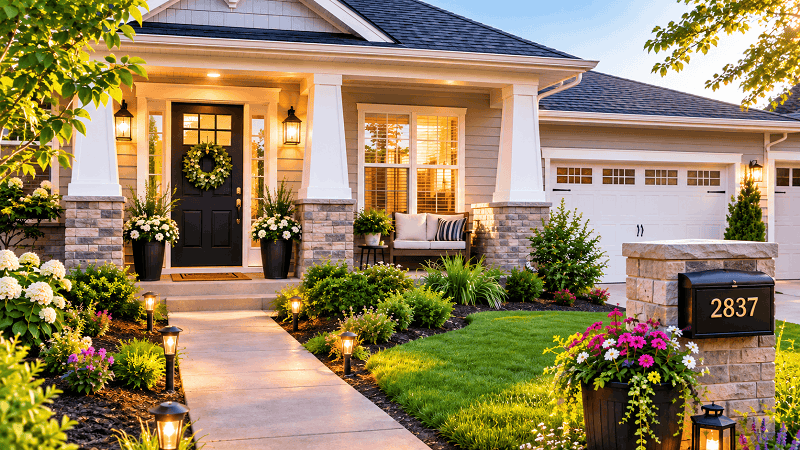
Pathway lights can make walkways easier to navigate. Small accent lights can highlight attractive trees, plants, walls, or architectural features.
You can also use soft lighting around seating areas to create a comfortable evening environment. Solar-powered garden lights may be useful for simple decorative applications because they can be installed without complicated wiring.
Avoid excessive brightness. Outdoor lighting usually works best when it creates subtle highlights rather than illuminating every part of the garden equally.
Keep Lawn Areas Practical
A lawn can provide an open, flexible area for relaxation and outdoor activities. However, large lawns can require considerable maintenance.
If you enjoy having grass, maintain it according to the conditions of your location. Regular mowing, appropriate watering, and proper soil care can help keep it healthy.
For areas where grass struggles to grow, consider alternative landscaping solutions. Ground covers, planting beds, gravel, or hardscaping can sometimes provide a more practical solution.
The important point is to avoid maintaining a lawn simply because every yard is expected to have one. Your outdoor space should reflect how you actually use it.
Add Privacy Naturally
If your yard is close to neighboring properties or a busy street, privacy can make the space considerably more comfortable.
Plants can provide natural screening while adding greenery. Hedges, shrubs, climbing plants, and strategically positioned trees can help create separation without making the garden feel enclosed.
Screens, fences, and trellises can also be combined with plants. A simple trellis covered with suitable climbing plants can provide both structure and visual softness.
When planning privacy features, consider their mature size. Plants that eventually become very large should not be planted too close to buildings or property boundaries.
Make Maintenance Part of the Design
One of the most important lessons in decadgarden yard tips by decoratoradvice is that a beautiful garden should also be manageable.
Before adding a feature, consider how much work it will require. A complicated planting arrangement may look impressive initially but become difficult to maintain.
Group plants with similar water and sunlight requirements together. This can simplify watering and make care more efficient.
Mulching around appropriate planting areas can also help retain soil moisture and reduce weed growth. Regularly removing dead leaves, pruning plants when necessary, and checking for problems early can keep the garden looking organized.
A low-maintenance garden does not mean a boring garden. It simply means designing the space around realistic maintenance needs.
Use Containers for Flexible Garden Design
Container gardening is an excellent option when you have limited ground space or want more flexibility.
Pots can be placed on patios, balconies, pathways, steps, or other suitable locations. They also allow you to experiment with different plants without changing the permanent landscape.
Choose containers that fit the scale of the area. Large containers can become focal points, while several smaller pots can create a coordinated arrangement.
Remember that container plants often require more frequent watering than plants growing directly in the ground because containers have limited soil volume.
Create a Strong Focal Point
A focal point gives the eye somewhere to rest and can make the garden feel more intentional.
A focal point could be a beautiful tree, an attractive planter, a seating area, a small water feature, or an interesting architectural element.
You do not need several focal points throughout a small yard. One strong feature may be enough.
Position it where it can be naturally noticed from important viewing areas, such as a patio, doorway, or main pathway.
Combine Colors and Textures
Successful garden design is not only about flower colors. Texture also plays an important role.
You can combine plants with different leaf shapes, sizes, and surfaces to create contrast. Hard materials such as stone, brick, and wood can add another layer of texture.
When selecting colors, consider the appearance of the house as well as the surrounding environment. A coordinated palette often looks more polished than using every available color.
Seasonal plants can also provide changing interest throughout the year, allowing the yard to look different as the seasons change.
Think About Sustainability
A thoughtful yard can also support more environmentally responsible gardening practices. Using plants that are appropriate for local conditions can reduce unnecessary water use and maintenance.
Where suitable, rainwater can be collected for garden use, and organic material can be composted instead of discarded.
Avoid unnecessary chemical use and consider plants that provide useful habitat or food for local wildlife. A garden can be attractive while also contributing positively to the surrounding environment.
Common Yard Design Mistakes to Avoid
Even a simple landscaping project can become difficult if planning is overlooked. One common mistake is adding too many features at once.
Another problem is selecting plants without considering their mature size. A small plant may eventually become too large for its location.
Poor drainage is another issue that should not be ignored. Waterlogged areas can damage plants and create long-term maintenance problems.
It is also important not to sacrifice functionality for appearance. A beautiful pathway that is difficult to walk on or furniture that takes up most of the available space will reduce the usefulness of the yard.
Build Your Yard Gradually
You do not have to complete your entire yard in one project. In fact, gradual improvement can make it easier to understand what works.
Start with the most important changes, such as improving pathways, creating a seating area, or establishing basic planting beds. Once those elements are working well, you can add lighting and decorative features.
This approach also allows you to manage costs and avoid making rushed decisions.
Final Thoughts
A successful yard combines beauty, comfort, functionality, and realistic maintenance. By understanding your space, selecting suitable plants, organizing different zones, and adding decorations carefully, you can create an outdoor environment that feels personal and inviting.
The central idea behind decadgarden yard tips by decoratoradvice is to approach garden design thoughtfully rather than simply filling the yard with plants and decorations. A well-planned outdoor space can become an extension of your home and provide a pleasant place to relax, entertain, and enjoy nature.
With patience and regular care, even a basic yard can gradually become a beautiful and practical garden that you can enjoy throughout the seasons.