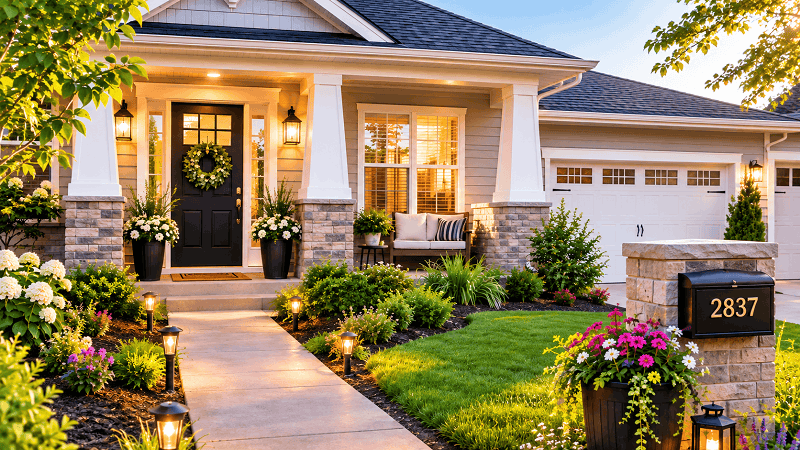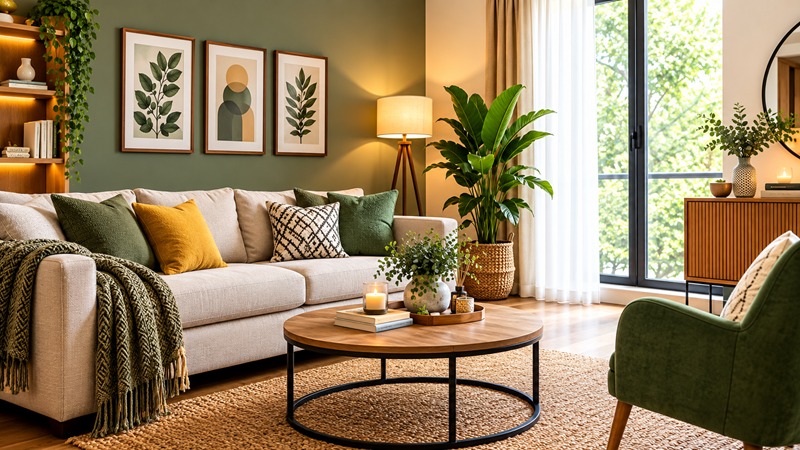
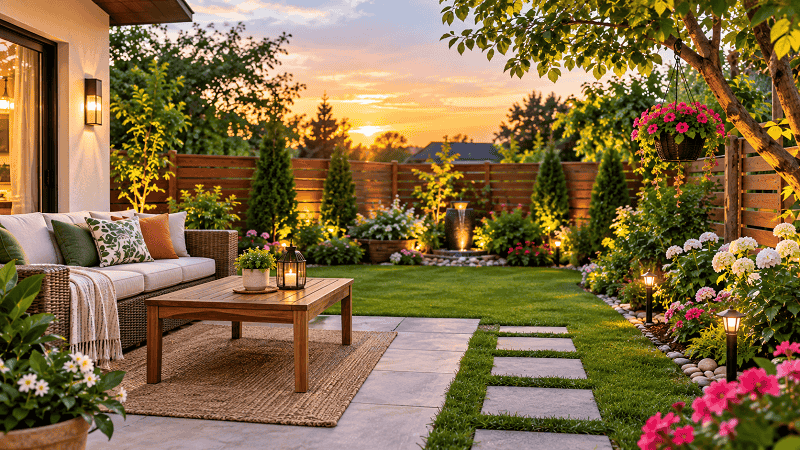
A beautiful garden can transform an ordinary outdoor area into a peaceful, welcoming, and enjoyable part of your home. Whether you have a large backyard, a small patio, or a compact balcony, thoughtful planning can help you create a space that looks attractive and remains easy to maintain. Choosing the right plants, organizing your outdoor furniture, improving lighting, and maintaining healthy soil are all important parts of successful garden design.
For homeowners looking for practical inspiration, decoradhouse garden tips by decoratoradvice can provide useful ideas for creating an outdoor environment that combines beauty, comfort, and functionality. The goal is not simply to fill a garden with plants but to design a space that works well with your home and lifestyle.
Plan Your Garden Before You Start
Good garden design begins with planning. Before purchasing plants or outdoor decorations, examine the available space and think about how you want to use it.
Consider the amount of sunlight your garden receives throughout the day. Some areas may receive several hours of direct sunlight, while others may remain shaded. This information will help you choose plants that are suitable for each location.
You should also consider drainage, soil quality, walking areas, and the amount of maintenance you are willing to perform. A beautiful garden should be practical enough to manage regularly.
Create a simple plan showing where you want plants, seating areas, pathways, decorative elements, and other features. Planning ahead can prevent unnecessary purchases and make the final design more organized.
Choose Plants According to Your Space
Plant selection has a major effect on the appearance and health of a garden. Instead of choosing plants simply because they look attractive, consider whether they are suitable for your local growing conditions.
Think about sunlight, temperature, rainfall, soil type, and available space. Plants that naturally thrive in your environment are often easier to care for than varieties that require very specific conditions.
You can combine different types of plants to create visual interest. For example, flowering plants can provide color, while shrubs and foliage plants can add structure. Ground-cover plants can help fill empty spaces and create a finished appearance.
Using plants with different heights can also make a garden more interesting. Taller plants can form a background, medium-sized plants can occupy the middle, and smaller varieties can be placed toward the front.
Create a Comfortable Seating Area
A garden becomes much more useful when it includes a comfortable place to sit and relax. Depending on the size of your outdoor area, you could add a small bench, chairs, or a compact table.
Place seating where you can enjoy the best part of the garden. A shaded location can be particularly pleasant during warmer weather, while a sunny corner may work well during cooler periods.
Outdoor furniture should be selected according to the available space. Avoid filling a small garden with oversized furniture because it can make the area feel crowded.
For a more inviting atmosphere, consider adding outdoor cushions, weather-resistant accessories, or a small side table. These simple additions can make the garden feel like an extension of your living space.
Improve Your Garden With Pathways
Pathways are both practical and decorative. They provide clear walking routes while helping divide a garden into different sections.
A pathway can lead from your home to a seating area, flower bed, or another feature. Depending on your style, you can use materials such as stone, gravel, brick, or other suitable outdoor surfaces.
The pathway does not always need to be completely straight. A gentle curve can create a more natural appearance and make the garden feel larger by encouraging visitors to explore different areas.
Keep pathways wide enough for comfortable movement and ensure that the surface is stable. Good pathway design should balance appearance with safety and convenience.
Use Garden Lighting Effectively
Outdoor lighting can change the appearance of a garden after sunset. It can highlight plants, pathways, seating areas, and architectural features while making the space more enjoyable in the evening.
Solar-powered lights can be a convenient option for areas where installing electrical connections is difficult. Pathway lights can help define walking routes, while accent lights can draw attention to attractive plants or decorative features.
Avoid using too many bright lights. A softer and more balanced approach usually creates a more comfortable outdoor atmosphere.
Lighting can also improve the overall connection between your home and garden. When placed thoughtfully, it allows outdoor areas to remain visually appealing after daylight disappears.
Focus on Healthy Soil
Healthy soil is one of the foundations of a successful garden. Plants depend on soil for nutrients, water, and support, so improving soil quality can have a significant effect on plant growth.
Before planting, examine the condition of your soil. If it is compacted or lacks organic material, adding suitable compost or other organic matter may help improve its structure.
Good drainage is equally important. Waterlogged soil can cause problems for many plants, while extremely dry soil may make it difficult for roots to receive enough moisture.
Regularly adding organic material and avoiding unnecessary disturbance can help maintain productive garden soil over time.
Water Plants Wisely
Proper watering is essential, but more water does not always mean healthier plants. Overwatering can create problems just as insufficient watering can.
Water plants according to their specific needs and local weather conditions. Newly planted plants may require more attention while they establish their roots.
Watering early in the morning can be beneficial because it gives plants time to absorb moisture before the hottest part of the day. Avoid unnecessarily wetting foliage when possible, as consistently damp leaves can contribute to certain plant problems.
Mulching around plants can also help retain soil moisture and reduce evaporation. Organic mulch may provide additional benefits as it gradually breaks down and contributes to soil quality.
Add Decorative Elements Carefully
Garden decorations can give an outdoor space personality, but they should be used thoughtfully. Too many decorative items can make a garden appear cluttered.
Consider selecting a few elements that complement your home’s style. Decorative pots, sculptures, stones, trellises, or water features can become attractive focal points when positioned carefully.
The best decorations should support the overall garden design rather than compete with plants. Choose materials that can withstand outdoor conditions and require reasonable maintenance.
A consistent design theme can make different areas of the garden feel connected. Neutral materials and natural textures often work well with greenery.
Create Layers With Different Plant Heights
One simple way to improve garden design is to create layers. Instead of placing all plants at the same height, combine low-growing plants, medium-sized shrubs, and taller varieties.
This approach creates depth and makes the garden visually richer. It can also help you make better use of vertical space.
Climbing plants can be trained along suitable supports such as trellises or garden structures. They can add greenery to walls and fences without requiring large amounts of ground space.
When arranging plants, make sure taller varieties do not block essential sunlight from smaller plants unless those smaller plants prefer shade.
Make Small Gardens Feel Larger
Small outdoor spaces can still have impressive designs. The key is to avoid overcrowding and use the available space efficiently.
Vertical gardening is particularly useful in compact areas. Wall planters, hanging containers, and climbing plants can add greenery without taking up much floor space.
Using a limited number of complementary colors can also make a small garden appear more organized. Mirrors and reflective surfaces may sometimes create a sense of additional space, provided they are positioned appropriately for outdoor use.
Choose furniture that fits the scale of the area. Foldable or multifunctional furniture can be useful when space is limited.
These ideas align well with decoradhouse garden tips by decoratoradvice, especially when the goal is to make a small outdoor area attractive without making it feel crowded.
Maintain Your Garden Regularly
Garden design is only the beginning. Regular maintenance is necessary to keep an outdoor space healthy and attractive.
Create a simple maintenance routine that includes watering, removing weeds, pruning plants when appropriate, checking for pests, and clearing fallen leaves.
Do not wait until the garden becomes difficult to manage. Small amounts of regular maintenance are often easier than trying to complete a large amount of work after problems have developed.
Clean outdoor furniture and decorative elements periodically as well. Keeping pathways clear and removing damaged plants or broken decorations can help maintain a neat appearance.
Choose a Sustainable Garden Approach
Sustainability can be an important part of modern garden design. Choosing suitable local plants, reducing unnecessary water use, and improving soil naturally can help create a more environmentally responsible garden.
Composting suitable organic garden waste can provide useful material for the soil. Collecting rainwater where permitted and practical can also reduce dependence on treated water for gardening.
Avoid using chemicals unnecessarily. When problems occur, identify the cause first and consider appropriate, less harmful solutions whenever possible.
A sustainable garden can be attractive while also supporting local wildlife and reducing maintenance requirements.
Build a Garden That Matches Your Lifestyle
The best garden is one that fits the people who use it. A garden designed for quiet relaxation will look different from one created for entertaining guests or growing vegetables.
Think about how you expect to use the space. If you enjoy reading outdoors, prioritize a comfortable seating area. If you like gardening, dedicate enough space to planting beds. If you enjoy spending evenings outside, focus on lighting and comfortable furniture.
Your garden does not need to follow every current design trend. A practical and personal approach can produce a space that remains enjoyable for years.
The ideas found in decoradhouse garden tips by decoratoradvice can be adapted to different homes, garden sizes, and personal preferences. The most important principle is to combine visual appeal with practical functionality.
Final Thoughts
Creating a beautiful garden does not require an unlimited budget or a huge outdoor space. With careful planning, suitable plants, comfortable seating, attractive pathways, effective lighting, healthy soil, and regular maintenance, almost any outdoor area can become more enjoyable.
Start with the basics and improve the garden gradually. Pay attention to how the space changes throughout the seasons and adjust your design as necessary.
Most importantly, create a garden that suits your home and lifestyle. By combining thoughtful design with practical maintenance, you can develop an outdoor space that feels welcoming, comfortable, and naturally connected to your home.
For additional inspiration, decoradhouse garden tips by decoratoradvice can serve as a starting point for exploring creative approaches to garden planning, decoration, and outdoor living.