Upgrading your home does not always require a major renovation or an expensive remodeling project. With the right planning, thoughtful decoration, and a few strategic changes, you can make your living space feel fresher, more comfortable, and more stylish. Whether you want to improve a single room or give your entire home a new appearance, small upgrades can make a noticeable difference.
The decoradhouse upgrade tips by decoratoradvice approach focuses on practical decorating decisions that combine functionality, comfort, and visual appeal. Instead of changing everything at once, homeowners can identify the areas that need improvement and make carefully selected updates. From choosing better lighting and furniture to improving wall colors and adding decorative accessories, there are many ways to create a home that reflects your personality.
Start With a Clear Home Upgrade Plan
Before purchasing new furniture or decorations, it is important to understand what you actually want to improve. Walk through each room and make a simple list of areas that look outdated, uncomfortable, empty, or poorly organized.
A good plan should consider your budget, available space, personal style, and the purpose of each room. For example, a living room may need better seating and lighting, while a bedroom may benefit from improved storage and softer decorative elements.
Planning also prevents unnecessary spending. Instead of buying items simply because they look attractive in a store, think about how each purchase will contribute to the overall design. This organized approach is one of the most useful decoradhouse upgrade tips by decoratoradvice because it helps create a consistent result rather than a collection of unrelated items.
Refresh Your Walls With the Right Colors
Wall color can dramatically influence the atmosphere of a room. If your current walls look dull or outdated, repainting them can provide an immediate visual improvement.
Neutral shades such as warm white, beige, soft gray, and light earthy tones can create a calm and flexible background. These colors also make it easier to introduce furniture and decorative accessories in different styles.
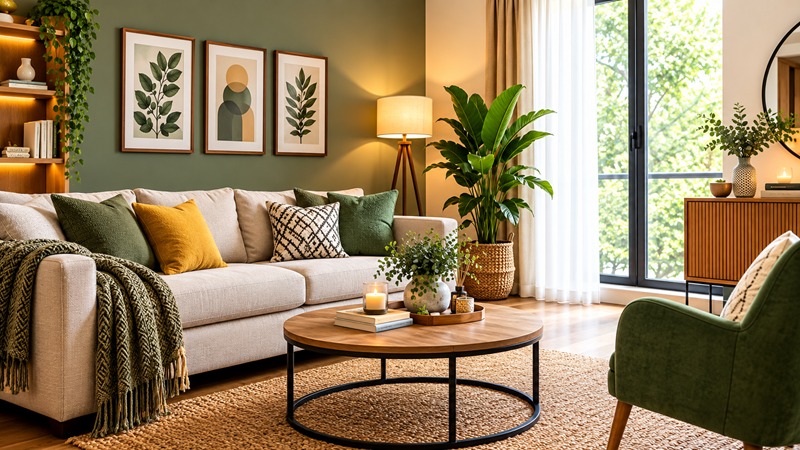
If you prefer something more expressive, consider using an accent wall. A deeper shade on one wall can add character without overwhelming the entire room. You can also experiment with wallpaper, textured finishes, or decorative wall panels where appropriate.
The key is to choose colors that work with your furniture, flooring, natural light, and overall home style.
Improve Lighting for a More Comfortable Atmosphere
Lighting is one of the most overlooked elements of home decoration. A beautifully decorated room can still feel uncomfortable if the lighting is too harsh, too dark, or poorly positioned.
Start by making better use of natural light. Keep windows clean and avoid blocking them with unnecessarily heavy furniture or curtains. Light-colored curtains can help bring more daylight into a room while maintaining privacy.
For artificial lighting, consider using several sources rather than depending on a single ceiling fixture. Table lamps, floor lamps, wall lights, and decorative lighting can create different levels of brightness.
Warm lighting can make living rooms and bedrooms feel cozy, while brighter lighting may be useful in workspaces and kitchens. Proper lighting can also highlight artwork, furniture, plants, and architectural features.
Upgrade Furniture Without Replacing Everything
A complete furniture replacement can be expensive, and it is often unnecessary. Instead, examine which pieces can be improved or reused.
An old sofa may look different with new cushions or a carefully selected throw. A wooden table might benefit from refinishing or a new decorative centerpiece. Similarly, replacing cabinet handles or drawer pulls can give older furniture a refreshed appearance.
When purchasing new furniture, prioritize both appearance and functionality. Choose pieces that fit the room properly and leave enough space for comfortable movement.
Oversized furniture can make a small room feel crowded, while furniture that is too small may make a large room feel unfinished. Measuring your available space before buying anything is therefore an important part of successful decorating.
Add Decorative Accessories With Purpose
Accessories are an excellent way to personalize your home, but too many decorations can create visual clutter. Select pieces that support your chosen style and have a clear place within the room.
Mirrors can make spaces feel brighter and more open. Artwork can introduce color and personality. Decorative baskets can provide attractive storage, while cushions and throws can add texture and comfort.
Plants are another effective option. Depending on your space and lifestyle, you can choose real plants or quality artificial alternatives. Greenery can introduce a natural element and make interiors feel more welcoming.
One of the most practical decoradhouse upgrade tips by decoratoradvice is to focus on balance. Instead of filling every empty surface, allow some areas to remain open. Negative space can make a room look cleaner and more sophisticated.
Make Small Rooms Feel More Spacious
Small spaces require careful organization. The goal is not necessarily to make the room physically larger but to make it feel more open and functional.
Use furniture that matches the scale of the room. Storage furniture can help keep everyday items organized and out of sight. Wall-mounted shelves can provide storage without taking up valuable floor space.
Mirrors can also help reflect light and create the impression of greater depth. Keeping a consistent color palette throughout a small room can make the space feel more connected.
Avoid placing too many decorative objects on shelves, tables, and countertops. A simplified arrangement often makes a small room feel more comfortable.
Improve Storage and Organization
A home upgrade is not only about appearance. Better organization can significantly improve everyday comfort.
Start by removing items that you no longer use. Once unnecessary belongings have been reduced, organize the remaining items according to how frequently you use them.
Storage boxes, baskets, shelves, cabinets, and multifunctional furniture can help keep rooms organized. In bedrooms, for example, under-bed storage can provide additional space without affecting the room’s main layout.
In kitchens, organizing frequently used items within easy reach can make daily tasks more convenient. In living areas, hidden storage can help maintain a clean appearance.
A well-organized home naturally looks more polished, even when the decorative budget is modest.
Create a Strong Focal Point
Every room can benefit from having one main feature that immediately attracts attention. This might be an attractive piece of artwork, a fireplace, a feature wall, a distinctive sofa, or a carefully arranged display.
A focal point gives the room visual direction. Without one, furniture and decorations may compete for attention.
Once you identify the focal point, arrange surrounding elements so that they support it rather than distract from it. For example, artwork can become the central feature above a sofa, while smaller accessories can complement its colors.
This technique is especially useful when upgrading a room gradually because it allows you to build the design around one strong element.
Use Textures to Add Depth
A room can have attractive colors and furniture but still feel flat if everything has the same texture. Combining different materials creates depth and visual interest.
Consider mixing materials such as wood, fabric, glass, metal, and natural fibers. Soft rugs can contrast with hard flooring, while textured cushions can add interest to a simple sofa.
Curtains, blankets, rugs, and upholstery are particularly useful for introducing texture without making permanent changes to the room.
When combining textures, maintain some consistency in color and style. The goal is to create variety while keeping the overall design coordinated.
Upgrade One Room at a Time
Trying to renovate your entire home simultaneously can become expensive and overwhelming. A more practical strategy is to focus on one room at a time.
Start with the room that needs the greatest improvement or the space your household uses most frequently. Establish a budget and complete the most important changes first.
Once that room is finished, move to the next one. This approach gives you time to evaluate what works and adjust your decorating choices before making additional purchases.
The decoradhouse upgrade tips by decoratoradvice philosophy works particularly well with this gradual approach because effective home improvement does not depend on changing everything at once.
Pay Attention to Details
Small details can have a surprisingly large effect on the final appearance of a room. Clean light fixtures, coordinated hardware, neatly arranged cushions, attractive curtains, and organized shelves can make a space feel more complete.
Even simple improvements such as replacing worn-out switch plates, updating cabinet handles, or adding a stylish doormat can contribute to a refreshed appearance.
Regular cleaning and maintenance should also be part of your upgrade strategy. Dusty surfaces, damaged furniture, and tangled cables can make an otherwise attractive room appear neglected.
Keep Your Personal Style at the Center
Following decorating trends can provide inspiration, but your home should ultimately work for you. Trends change, while a comfortable and functional home remains valuable over time.
Think about the colors, materials, furniture styles, and decorative objects that make you feel comfortable. You do not need to copy a showroom or social media design exactly.
Instead, use popular ideas as inspiration and adapt them to your own space. The best interiors combine practical requirements with personal character.
Conclusion
Home improvement does not always require a large budget or complicated construction work. Thoughtful changes to colors, lighting, furniture, storage, accessories, textures, and organization can significantly improve the way a home looks and feels.
The decoradhouse upgrade tips by decoratoradvice approach emphasizes planning, balance, functionality, and personal style. By identifying your priorities and upgrading your home step by step, you can achieve a polished result without unnecessary expenses.
Remember that successful decorating is not about filling every corner with expensive products. It is about creating a space where furniture, colors, lighting, accessories, and organization work together. Start with one room, make practical improvements, and gradually build a home that feels comfortable, attractive, and uniquely yours.